Embark on a journey into the world of smart home architecture planning with this comprehensive guide. From understanding the fundamentals to designing functional spaces and ensuring security, this guide covers it all. Get ready to explore the intricate details of creating a smart home that seamlessly integrates technology into everyday living.
Understanding Smart Home Architecture
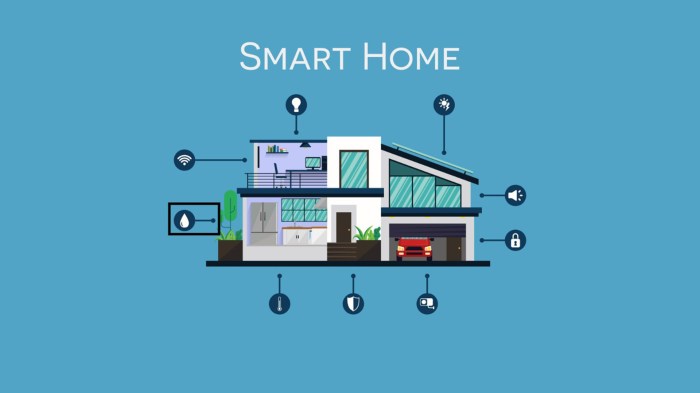
In the modern era of technology, smart home architecture refers to the design and layout of a home's interconnected system of devices and technologies that enable automation, control, and monitoring of various functions within the household.
When planning for smart home architecture, there are several key components that need to be taken into consideration to ensure a seamless integration of smart devices and systems:
Components of Smart Home Architecture Planning
- Smart Devices: These include sensors, actuators, cameras, and smart appliances that form the foundation of a smart home setup.
- Network Infrastructure: A robust and secure network is essential to connect all smart devices and ensure smooth communication and data transfer.
- Central Control Hub: A central control hub or smart home controller serves as the brain of the system, allowing users to manage and automate various tasks.
- Integration Protocols: Protocols like Zigbee, Z-Wave, or Wi-Fi enable different devices to communicate with each other and with the central hub.
- Data Security Measures: Implementing strong security measures to protect sensitive data and ensure privacy is crucial in smart home architecture.
Importance of Well-Thought-Out Architecture in Smart Homes
A well-thought-out architecture in a smart home setup is essential for several reasons:
- Efficiency: Proper planning ensures that smart devices work harmoniously together, maximizing efficiency and reducing energy consumption.
- Scalability: A well-designed architecture allows for easy expansion and integration of new devices as technology advances.
- User Experience: A thoughtfully planned architecture enhances the overall user experience by providing intuitive control and automation features.
- Reliability: By considering all components and potential challenges during the planning phase, the system is more reliable and less prone to malfunctions.
Initial Planning Considerations
When embarking on the journey of smart home architecture planning, there are several key factors that need to be carefully considered to ensure a successful implementation. From budgeting to assessing existing infrastructure, each step plays a crucial role in shaping the overall design and functionality of your smart home.
Role of Budgeting and Scalability
Budgeting is a critical aspect of planning for a smart home architecture. It is essential to determine how much you are willing to invest in your smart home project, taking into account the cost of smart devices, installation, and any additional services required.
Setting a realistic budget will help you prioritize your needs and make informed decisions throughout the planning process.Scalability is another important factor to consider during the initial planning phase. As technology continues to evolve rapidly, it is essential to design a smart home architecture that can easily adapt to future advancements and expansions.
By considering scalability from the beginning, you can create a flexible and future-proof system that can grow with your needs.
Assessing Existing Infrastructure
Before diving into the implementation of smart home systems, it is crucial to assess your existing infrastructure for compatibility. Evaluate your home's wiring, network capabilities, and overall layout to determine if any upgrades or modifications are needed to support smart devices.
Understanding the compatibility of your existing infrastructure will help you avoid potential integration issues and ensure a seamless transition to a smart home environment.
Designing Functional Spaces
When designing functional spaces within a smart home, it is essential to consider how technology can enhance usability and convenience. Architectural elements play a crucial role in optimizing the functionality of these spaces, creating a seamless integration between the physical environment and smart technology.
Incorporating Smart Technology in Living Rooms
- Utilize smart lighting systems that can be controlled remotely or programmed to adjust based on natural light levels.
- Integrate voice-controlled devices for entertainment systems, allowing for hands-free operation.
- Implement smart climate control systems to regulate temperature and create a comfortable environment.
Enhancing Kitchen Functionality with Smart Design
- Install smart appliances that can be controlled through a mobile app, such as refrigerators with inventory tracking or ovens with remote temperature adjustment.
- Incorporate smart storage solutions, like cabinets with automated opening and closing mechanisms or pantry organization systems with inventory management.
- Integrate voice-activated assistants for hands-free recipe guidance and cooking instructions.
Creating Smart Bedrooms for Optimal Comfort
- Implement smart lighting systems with customizable settings for relaxation, reading, or waking up gently.
- Utilize smart beds with adjustable firmness settings and sleep tracking capabilities.
- Incorporate smart window treatments for automated opening and closing based on time of day or weather conditions.
Connectivity and Network Infrastructure
Having a robust network infrastructure is essential for the smooth functioning of a smart home. It serves as the backbone that connects all smart devices and enables seamless communication and control.
Connectivity Options for Smart Devices
- Wi-Fi: Wi-Fi is a common choice for connecting smart devices due to its widespread availability and ease of use. However, it can be prone to interference and limited range, so ensure proper placement of routers and access points for full coverage.
- Ethernet: For devices that require high-speed and reliable connections, Ethernet cables can be used. This ensures a stable connection without interference or signal loss.
- Zigbee and Z-Wave: These wireless protocols are designed specifically for smart home devices, offering low power consumption and reliable communication. They create a mesh network that can extend the coverage area by connecting devices to each other.
Tips for Seamless Connectivity
- Placement of Routers: Position routers and access points strategically to ensure optimal coverage throughout the property. Consider using mesh Wi-Fi systems for larger homes.
- Signal Boosters: Use signal boosters or extenders to enhance coverage in areas with weak signals or dead zones.
- Network Security: Implement strong network security measures to protect your smart home devices from potential cyber threats. Use encryption, strong passwords, and regular software updates.
- Bandwidth Management: Prioritize bandwidth for critical devices to ensure they receive the necessary resources for smooth operation.
Security and Privacy Measures
When it comes to smart home architecture, ensuring security and privacy measures are essential to protect your home and personal information. Integrating the right security considerations can help prevent unauthorized access and potential breaches, while also safeguarding your privacy in the digital age.
Role of Encryption and Authentication
Encryption and authentication play a crucial role in securing smart home devices. By encrypting data transmitted between devices and networks, you can prevent eavesdropping and unauthorized access to sensitive information. Authentication mechanisms, such as passwords, biometrics, or two-factor authentication, help verify the identity of users and devices, adding an extra layer of security to your smart home ecosystem.
- Implement end-to-end encryption protocols to protect data in transit and at rest.
- Use strong, unique passwords for each device and network, and regularly update them.
- Enable multi-factor authentication for an added layer of security.
- Regularly update firmware and software to patch security vulnerabilities.
Recommendations for Privacy Maintenance
While enjoying the convenience of smart technology, it's crucial to prioritize privacy to prevent data breaches and unauthorized access to your personal information. Here are some recommendations to maintain your privacy in a smart home environment:
- Review and understand the privacy policies of smart home devices and platforms before using them.
- Disable unnecessary features that may collect sensitive data or compromise your privacy.
- Regularly monitor and audit the devices connected to your smart home network for any suspicious activity.
- Consider using a virtual private network (VPN) to encrypt your internet traffic and protect your privacy.
Final Thoughts
In conclusion, this guide provides a roadmap for anyone looking to delve into the realm of smart home architecture planning. By considering key factors, designing functional spaces, establishing connectivity, and prioritizing security, you can create a smart home that not only enhances convenience but also elevates your quality of life.
Questions Often Asked
How do you define smart home architecture?
Smart home architecture refers to the design and layout of a home that incorporates modern technology to enhance convenience, efficiency, and overall living experience.
What are the key factors to consider before planning smart home architecture?
Before planning smart home architecture, it's essential to consider factors like budget, scalability, existing infrastructure compatibility, and functional space design.
Why is a robust network infrastructure important in smart homes?
A robust network infrastructure is crucial in smart homes to ensure seamless connectivity among various devices and systems, promoting efficient communication and operation.
How can one maintain privacy in a smart home environment?
To maintain privacy in a smart home, it's important to integrate security measures like encryption, authentication, and regular software updates to protect personal data and information.