Embarking on a journey through the transformative realm of innovative urban designs, the concept of One Architecture: Innovative Designs Changing Urban Spaces comes to life. From revolutionizing architectural landscapes to enhancing social interactions, this topic delves into the dynamic fusion of creativity and functionality in city planning.
Exploring how sustainable architecture, technology integration, and social impact play pivotal roles in shaping urban environments, this discussion unveils the multifaceted layers of innovation that breathe new life into our cities.
One Architecture: Innovative Designs Changing Urban Spaces
Innovative design in urban spaces refers to the use of creative and forward-thinking approaches to architecture and city planning. It involves breaking away from traditional norms and exploring new ideas to enhance the functionality, aesthetics, and sustainability of urban areas.
Examples of Innovative Architecture Transforming Urban Areas
Innovative architecture has transformed urban areas in various ways, such as the High Line in New York City. This elevated linear park was created on a disused rail line, revitalizing the surrounding neighborhood and providing a unique green space for residents and visitors to enjoy.
Another example is the Bosco Verticale in Milan, which features vertical forests on residential towers, improving air quality and biodiversity in the city.
Importance of Integrating Innovative Designs in City Planning
Integrating innovative designs in city planning is crucial for creating sustainable and livable urban environments. By incorporating cutting-edge technologies, sustainable materials, and creative solutions, cities can address pressing issues like climate change, population growth, and social inequality. Innovative designs also have the potential to enhance the quality of life for residents, promote economic development, and attract investment in urban areas.
Sustainable Architecture in Urban Development
Sustainable architecture plays a crucial role in shaping urban environments by promoting environmentally-friendly practices, reducing carbon footprint, and creating more resilient cities.
Incorporating Sustainable Design Principles into Urban Planning
- Utilizing renewable energy sources such as solar power and wind energy to reduce dependence on non-renewable resources.
- Implementing green building materials that are energy-efficient and have minimal impact on the environment.
- Designing buildings with natural ventilation and lighting to decrease energy consumption and improve indoor air quality.
- Incorporating green spaces and rooftop gardens to enhance biodiversity, reduce heat island effect, and improve overall well-being of urban residents.
Benefits of Sustainable Architecture in Creating Livable Cities
- Improving air quality and reducing pollution levels, leading to healthier living conditions for urban dwellers.
- Enhancing energy efficiency and reducing operational costs for buildings, making them more economically viable in the long run.
- Promoting community engagement and social cohesion through the implementation of sustainable design practices that prioritize inclusivity and accessibility.
- Increasing resilience to climate change impacts by designing structures that can withstand extreme weather events and natural disasters.
Technology Integration in Urban Architecture
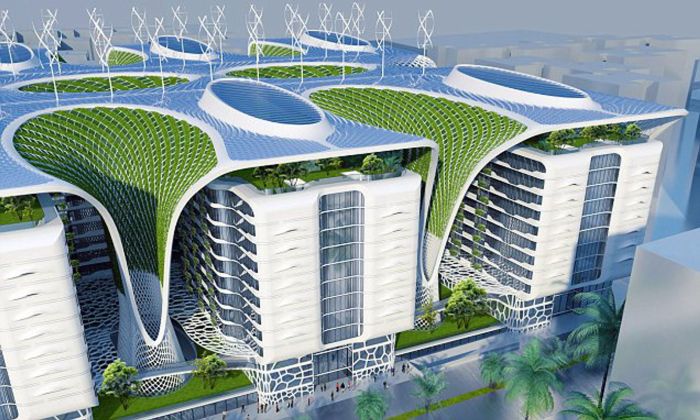
As technology continues to advance at a rapid pace, it has significantly impacted architectural design in urban spaces. The integration of cutting-edge technologies has not only transformed the way buildings are constructed but has also revolutionized their functionality and aesthetics.
Smart Building Systems
Smart building systems are a prime example of how technology has revolutionized modern urban architecture. These systems utilize sensors, actuators, and other IoT devices to monitor and control various building functions, such as lighting, heating, ventilation, and air conditioning
Parametric Design
Parametric design is another innovative technology that has had a profound impact on urban architecture. This design approach involves using algorithms to generate and manipulate complex geometric forms, allowing architects to create intricate and unique building designs. Parametric design not only enhances the visual appeal of urban buildings but also enables architects to optimize structural performance and energy efficiency.
Augmented Reality (AR) and Virtual Reality (VR)
AR and VR technologies are increasingly being used in urban architecture to provide immersive experiences for both architects and clients. These technologies allow architects to visualize designs in a virtual environment, enabling them to make real-time modifications and assess the spatial qualities of a building before construction.
By incorporating AR and VR into the design process, architects can enhance collaboration, improve decision-making, and create more innovative urban spaces.
Social Impact of Innovative Urban Designs
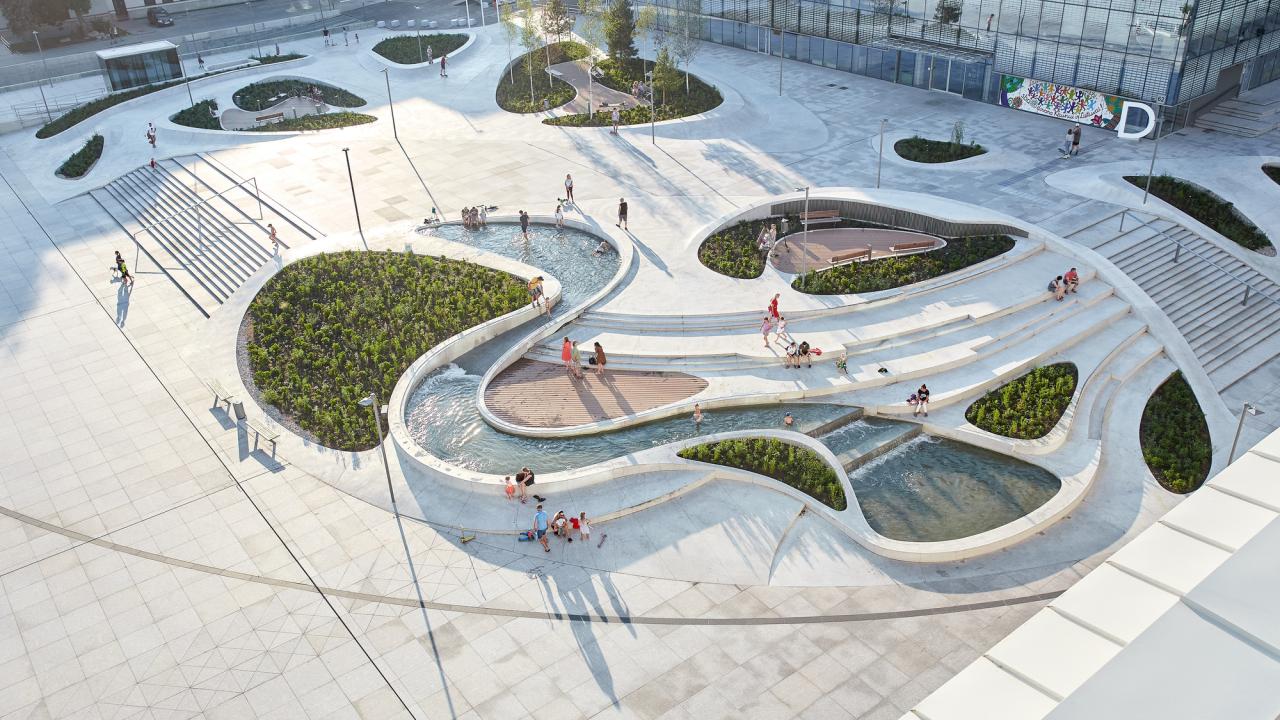
Innovative urban designs have the power to transform communities and enhance social interactions in urban areas. By incorporating principles of inclusivity, sustainability, and functionality, these designs can positively impact the quality of life for residents.
Enhancing Community Spaces
Innovative urban designs often focus on creating vibrant community spaces that bring people together. For example, projects like High Line Park in New York City have transformed abandoned railway tracks into a beautiful green space where residents can gather, relax, and engage with nature.
This has not only improved the aesthetics of the neighborhood but also fostered a sense of community among the people living in the area.
Promoting Social Equity
When designing urban spaces, it is crucial to consider the social aspects to ensure that everyone in the community can benefit. Projects like the 15-Minute City concept, which aims to create self-sufficient neighborhoods where residents can access all their daily needs within a 15-minute walk or bike ride, help promote social equity by reducing disparities in access to essential services and amenities.
Fostering Cultural Exchange
Innovative urban designs can also promote cultural exchange by incorporating elements that celebrate the diversity of the community. For instance, projects like the Museo Soumaya in Mexico City, with its unique architectural design inspired by the art collection it houses, serve as a hub for cultural exchange and dialogue among residents and visitors alike.
Last Point
In conclusion, the intricate tapestry of One Architecture: Innovative Designs Changing Urban Spaces paints a vivid picture of a future where creativity and practicality converge to shape cities that are not just spaces, but vibrant communities. As we continue to push the boundaries of design, let us remember that the essence of urban development lies in the art of innovation.
Top FAQs
How do innovative designs impact urban spaces?
Innovative designs have the power to transform urban areas by enhancing functionality, aesthetics, and social interactions, ultimately revitalizing the cityscape.
Why is sustainable architecture important in urban development?
Sustainable architecture plays a crucial role in creating livable cities by promoting environmentally friendly practices and reducing carbon footprints.
What role does technology play in modern urban architecture?
Technology revolutionizes modern urban architecture by enabling cutting-edge design techniques, efficient construction processes, and innovative building solutions.
How can innovative urban designs benefit communities?
Innovative urban designs can positively impact communities by fostering social interactions, creating inclusive spaces, and promoting a sense of belonging among residents.