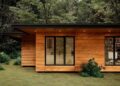
Delving into the realm of Lautner House Design Elements That Inspire Builders, this introduction sets the stage for a captivating exploration of architectural innovation and inspiration in modern construction.
The subsequent paragraphs will provide a detailed look at key design elements, organic architecture influence, structural innovations, indoor-outdoor integration, and the use of light and space in Lautner's iconic designs.
Lautner House Design Elements Overview
When it comes to Lautner house architecture, there are several key design elements that set it apart. These elements not only contribute to the unique aesthetic of Lautner homes but also inspire builders in modern construction projects.
Key Design Elements of Lautner House Architecture
- Organic Integration: Lautner seamlessly integrates his designs with the natural surroundings, often incorporating elements like boulders, trees, and cliffs into the structure.
- Use of Concrete: Concrete plays a significant role in Lautner's designs, creating a sense of solidity and blending with the landscape.
- Open Floor Plans: Lautner houses feature open spaces that flow seamlessly from one area to another, creating a sense of continuity and spaciousness.
- Emphasis on Natural Light: Large windows and skylights are common in Lautner homes, allowing natural light to flood the interiors and blur the line between inside and outside.
Inspiration for Modern Builders
Builders today are inspired by Lautner's innovative use of materials, his focus on sustainability, and his dedication to creating harmonious spaces that connect with nature. By incorporating elements of Lautner design into contemporary building projects, builders can create structures that not only stand out aesthetically but also prioritize environmental consciousness and user experience.
Significance of Integrating Lautner Design Elements
- Environmental Sustainability: Lautner's emphasis on organic integration and natural light inspires builders to create environmentally friendly structures that minimize their impact on the surroundings.
- User Experience: By following Lautner's open floor plans and focus on natural elements, builders can enhance the occupants' quality of life and connection to the environment.
- Aesthetic Appeal: The unique design elements of Lautner houses add a touch of sophistication and elegance to modern construction projects, setting them apart from conventional buildings.
Organic Architecture Influence
Organic architecture principles, as exemplified by John Lautner, have a significant impact on builders in terms of creating harmonious and sustainable structures that blend seamlessly with their natural surroundings. By incorporating organic shapes and natural materials into their designs, builders can achieve a sense of unity with the environment while also promoting a more eco-friendly approach to construction.
Incorporation of Organic Shapes and Natural Materials
Organic shapes, such as curves and flowing lines, are commonly seen in Lautner's designs. These shapes mimic those found in nature, like the curves of a seashell or the branches of a tree. Additionally, natural materials like wood, stone, and glass are often used to further enhance the organic feel of the architecture.
For example, large windows that offer panoramic views of the surrounding landscape help blur the lines between indoor and outdoor spaces, creating a seamless connection to nature.
Challenges and Benefits of Implementing Organic Architecture
Implementing organic architecture in construction inspired by Lautner comes with its own set of challenges and benefits. The challenges may include the complexity of working with unconventional shapes and materials, as well as the potential increase in construction costs. However, the benefits are numerous, such as creating a unique and visually stunning structure that stands out from traditional designs, as well as promoting sustainability and a deeper connection to the natural environment.
Overall, the incorporation of organic architecture elements can result in buildings that not only inspire but also contribute positively to the surrounding ecosystem.
Structural Innovations
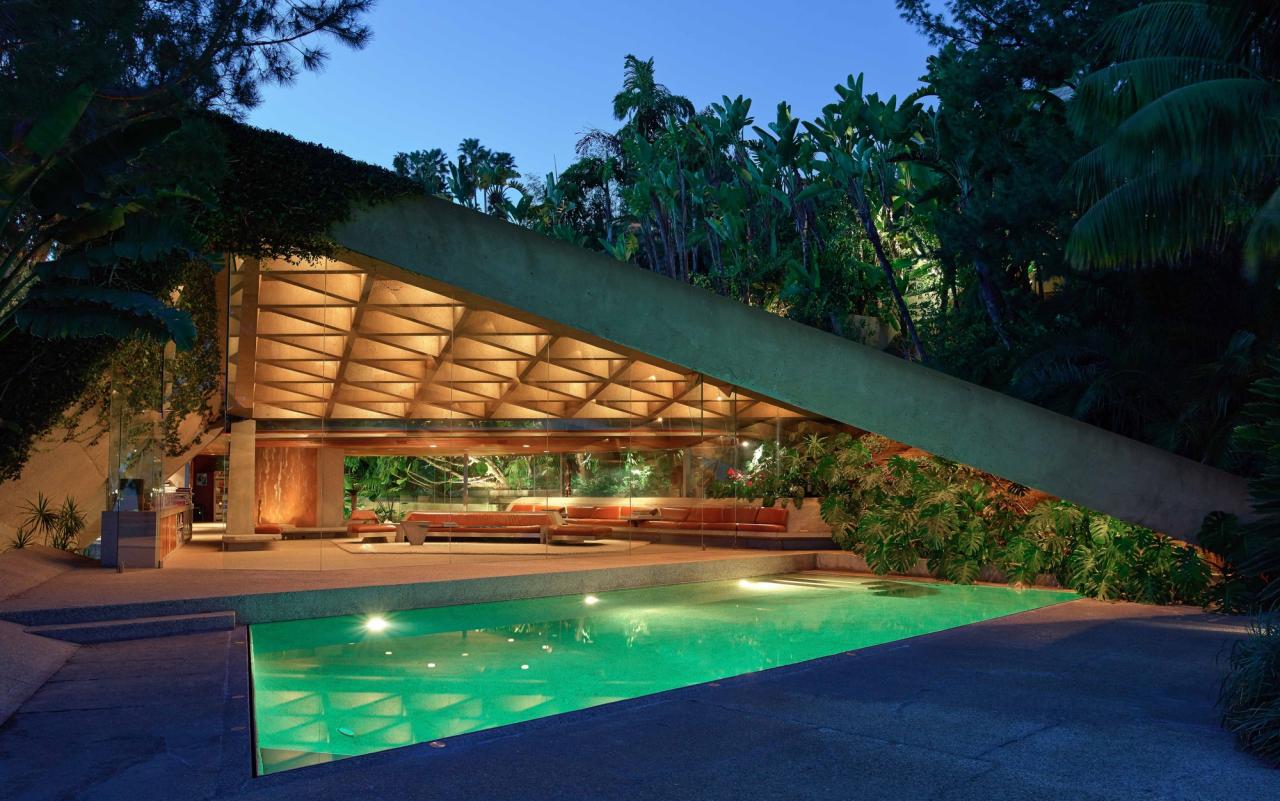
When it comes to structural innovations in Lautner house designs, one key element is the use of hyperbolic paraboloid roof structures. These unique roof designs not only create a striking visual impact but also provide structural integrity and stability to the overall building.
Hyperbolic Paraboloid Roof Structures
Lautner's innovative use of hyperbolic paraboloid roof structures has greatly influenced modern building techniques. These roofs are not only aesthetically pleasing but also offer efficient load-bearing capabilities. Builders have been able to adapt these structural concepts to create open, spacious interiors without the need for supporting walls or columns, leading to more flexible and functional living spaces.
- Hyperbolic paraboloid roofs distribute weight evenly, reducing the need for internal support structures.
- The use of curved and angled surfaces in these roofs allows for natural ventilation and lighting, enhancing energy efficiency.
- Builders can incorporate sustainable materials in the construction of hyperbolic paraboloid roofs to further enhance sustainability in building design.
Indoor-Outdoor Integration
Indoor-outdoor integration is a hallmark of Lautner's architectural design, seamlessly blending interior and exterior spaces to create a harmonious connection with nature. This design element not only enhances the overall aesthetics of the structure but also contributes to a sense of openness and continuity within the living spaces.
Importance of Blurring Boundaries
By blurring the boundaries between indoor and outdoor spaces, Lautner was able to create a unique living experience that prioritized the relationship between the built environment and the natural surroundings. This approach allows for a seamless flow between the interior and exterior, inviting natural light and ventilation while blurring the distinction between the two realms.
Creating a Similar Connection
To recreate a similar connection in their projects, builders can take inspiration from Lautner's designs by incorporating features such as floor-to-ceiling windows, sliding glass doors, and open floor plans that extend living areas into outdoor patios or gardens. Additionally, using natural materials like wood and stone can further enhance the organic feel of the space and reinforce the connection to the surrounding environment.
Use of Light and Space
When it comes to Lautner's architectural design, the use of light and space plays a significant role in creating a unique and immersive experience for occupants. Light is utilized strategically to enhance the spatial qualities of the built environment, resulting in a harmonious and dynamic interplay between the two elements.
Innovative Lighting Concepts
Lautner's innovative approach to lighting design involves the incorporation of natural light through strategically placed windows, skylights, and light wells. This not only illuminates the interior spaces but also creates a connection to the surrounding environment, blurring the boundaries between inside and outside.
Spatial Optimization Strategies
To optimize spatial experience, builders can take inspiration from Lautner by incorporating open floor plans, double-height ceilings, and minimalistic design elements. This allows for a seamless flow of light throughout the space, creating a sense of expansiveness and airiness.
Integration of Light and Materiality
Lautner often used materials that could reflect or absorb light in unique ways, enhancing the overall ambiance of the space. Builders can experiment with different textures, finishes, and materials to manipulate light and create visually striking effects within their designs.
Wrap-Up
In conclusion, the fusion of Lautner's design principles with contemporary building practices opens doors to a world where creativity and functionality converge seamlessly, paving the way for future architectural wonders.
Clarifying Questions
What are the key design elements of Lautner house architecture?
The key design elements include...
How does Lautner's organic architecture influence modern builders?
Lautner's organic architecture principles influence builders by...
What are some challenges and benefits of implementing organic architecture in construction inspired by Lautner?
Some challenges include..., while benefits encompass...
Why is indoor-outdoor integration important in Lautner's architecture?
Indoor-outdoor integration is crucial in Lautner's architecture because...
How does Lautner use light and space in architectural design?
Lautner utilizes light and space to...