Kicking off with Lautner House: A Masterpiece of Modern Architecture, this opening paragraph is designed to captivate and engage the readers, setting the tone casual formal language style that unfolds with each word.
Delving into the history, significance, and architectural style of the iconic Lautner House.
Background of Lautner House
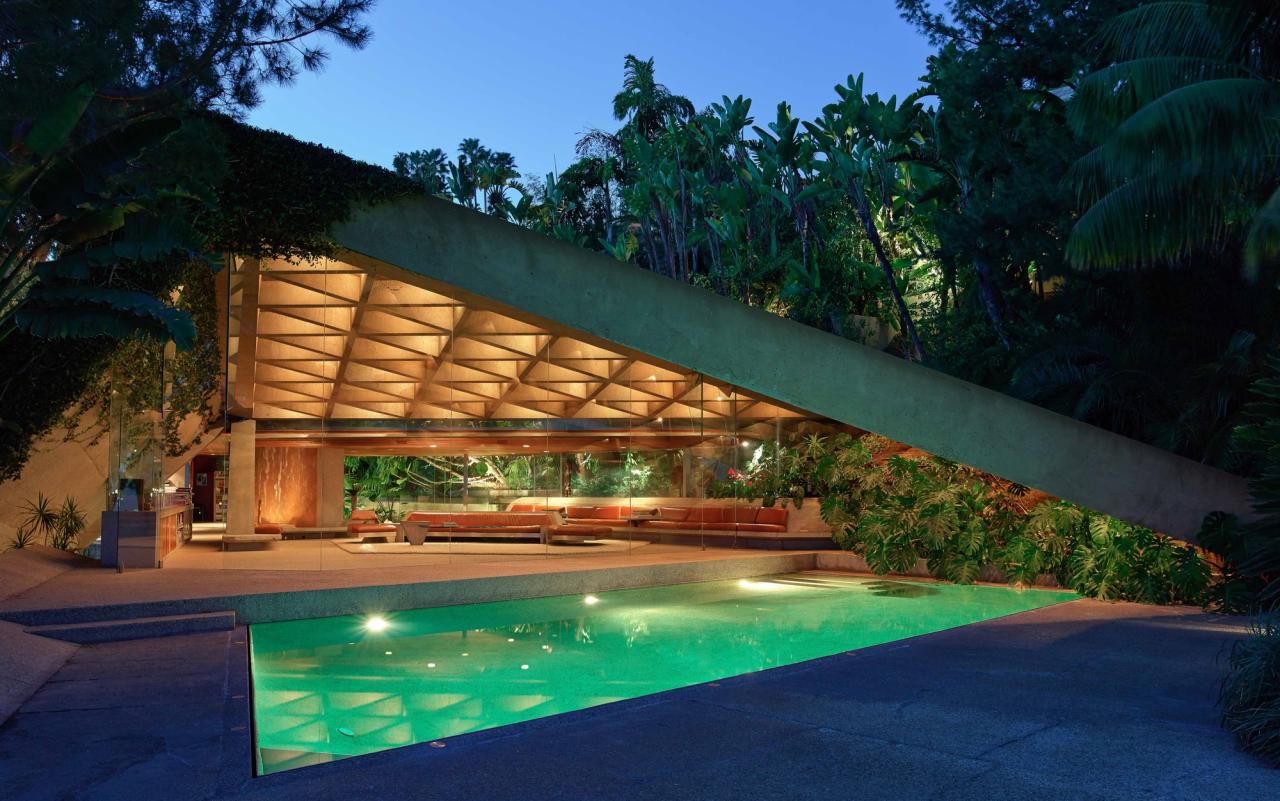
The Lautner House, also known as the Garcia House, is a residential property located in Los Angeles, California, designed by the renowned architect John Lautner. Constructed between 1962 and 1963, this iconic house is considered one of the most significant examples of modern architecture in the United States.
Significance of Lautner House
The Lautner House holds immense importance in the realm of modern architecture due to its innovative design and structural elements. John Lautner's vision for this house challenged traditional architectural norms, showcasing his creativity and forward-thinking approach to residential design. The house seamlessly blends into its natural surroundings, creating a harmonious relationship between nature and architecture.
Architectural Style of Lautner House
The architectural style of the Lautner House can be described as organic modernism. This style emphasizes the integration of natural elements into the design, with a focus on creating fluid spaces that connect the interior with the exterior. The use of sweeping concrete forms, expansive glass walls, and a unique roof structure characterizes the Lautner House, setting it apart as a masterpiece of modern architectural design.
Architectural Features
The Lautner House is renowned for its unique architectural features that set it apart as a masterpiece of modern design. From its distinctive geometric shapes to its seamless integration with the surrounding environment, every aspect of the house showcases the innovative vision of architect John Lautner.
Geometric Shapes and Angles
The Lautner House is characterized by bold geometric shapes and angles that create a sense of dynamic movement and energy. The use of triangular forms and sweeping curves not only adds visual interest but also serves a functional purpose in maximizing natural light and ventilation throughout the interior spaces.
Open Floor Plan
One of the most striking features of the Lautner House is its open floor plan, which blurs the boundaries between indoor and outdoor living. Floor-to-ceiling glass walls seamlessly connect the interior living spaces with the surrounding landscape, creating a sense of continuity and harmony with nature.
Use of Concrete and Glass
In the construction of the Lautner House, architect John Lautner employed a combination of concrete and glass to achieve a balance between solidity and transparency. The use of exposed concrete walls and structural elements not only adds a sense of strength and permanence to the design but also complements the transparency of the glass walls, allowing for unobstructed views of the natural surroundings.
Integration with Nature
The design of the Lautner House is deeply rooted in its natural surroundings, with the architectural elements carefully crafted to harmonize with the landscape. From the orientation of the building to the choice of materials, every detail has been thoughtfully considered to enhance the connection between the house and its environment.
The result is a seamless integration that blurs the boundaries between indoor and outdoor spaces, offering residents a truly immersive experience in nature.
Influence and Legacy
The Lautner House, with its innovative design and unique architectural features, has had a significant influence on modern architectural trends and continues to leave a lasting legacy in contemporary architecture.
Influence on Modern Architectural Trends
The Lautner House, designed by renowned architect John Lautner, challenged traditional notions of residential architecture with its futuristic and organic design. Its emphasis on open spaces, integration with nature, and use of innovative materials set a new standard for modern residential design.
The house's iconic features, such as the vast expanses of glass, sweeping rooflines, and seamless indoor-outdoor flow, have inspired architects around the world to push the boundaries of what is possible in architectural design
Legacy in Contemporary Architecture
The legacy of the Lautner House can be seen in the work of contemporary architects who have been inspired by its groundbreaking design. The principles of organic architecture, spatial fluidity, and harmonious integration with the natural environment that were central to the Lautner House continue to influence architectural projects today.
Architects continue to draw inspiration from the innovative spirit of the Lautner House, seeking to create spaces that not only function well but also inspire and uplift those who inhabit them.
Architectural Works Inspired by Lautner House
- Sheats-Goldstein Residence: Another masterpiece by John Lautner, this residence shares similar architectural elements with the Lautner House, such as the use of concrete, glass, and dramatic angles.
- Chemosphere House: Designed by John Lautner as well, this iconic circular house perched atop a single concrete column showcases the architect's affinity for innovative and futuristic design.
- Elrod House: Located in Palm Springs, this Lautner-designed home features a striking triangular roof and panoramic views of the desert landscape, embodying the architect's vision of blending architecture with nature.
Preservation Efforts
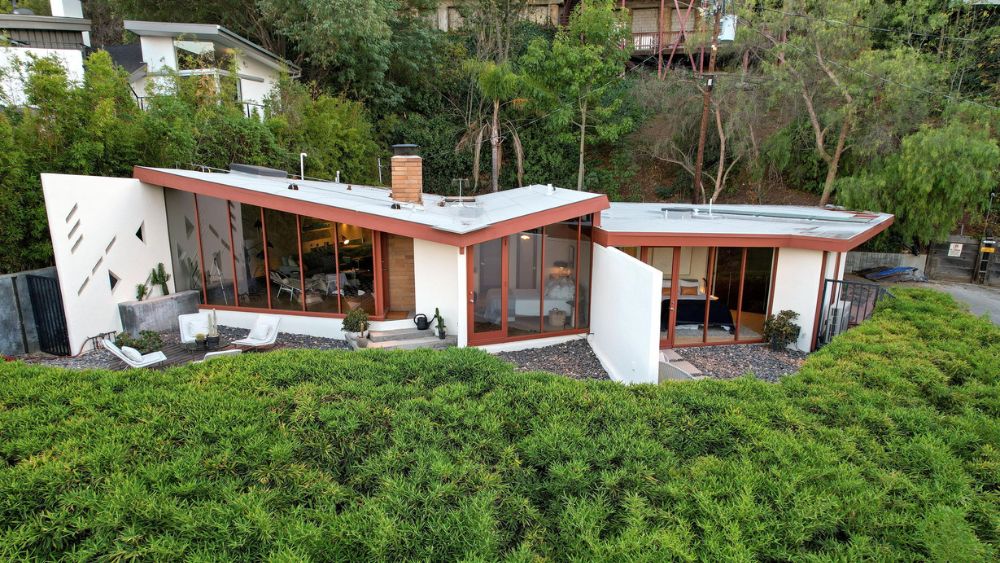
Preserving the Lautner House has been a significant challenge due to various factors, including changing ownership, maintenance costs, and potential development pressures in the surrounding area. Despite these challenges, several efforts have been made to ensure the conservation of this architectural masterpiece.
Challenges Faced
- Financial Constraints: Maintaining a historic building like the Lautner House requires substantial financial resources for repairs, renovations, and general upkeep.
- Ownership Changes: The house has changed hands multiple times over the years, leading to uncertainty about its future and potential alterations.
- Development Threats: With the increasing demand for real estate in the area, there have been concerns about the possibility of the Lautner House being demolished or significantly modified to accommodate new construction projects.
Importance of Preservation
Preserving architectural masterpieces like the Lautner House is crucial for maintaining our cultural heritage. These structures serve as tangible reminders of our past, showcasing the creativity and innovation of their time. By safeguarding these landmarks, we can ensure that future generations have the opportunity to appreciate and learn from the architectural achievements of the past.
Role in Maintaining Cultural Heritage
- Historical Significance: Architectural preservation helps us connect with our history and understand the evolution of design and construction techniques over time.
- Cultural Identity: Landmarks like the Lautner House contribute to the cultural identity of a place, reflecting the values, traditions, and aesthetics of a particular era.
- Educational Value: Preserved buildings offer valuable educational opportunities, allowing researchers, students, and enthusiasts to study and learn from the architectural styles and techniques employed in different periods.
Conclusive Thoughts
Wrapping up our exploration of Lautner House: A Masterpiece of Modern Architecture, we have uncovered its influence, unique features, and preservation challenges that contribute to its enduring legacy in the world of architecture.
FAQ Summary
Is Lautner House open to the public for tours?
Lautner House is a private residence and not typically open for public tours.
How did Lautner's architectural style differ from his contemporaries?
Lautner's style emphasized organic architecture and innovative use of materials, setting him apart from his peers.
What makes the preservation of Lautner House important?
Preserving Lautner House ensures that future generations can appreciate its architectural significance and contribution to modern design.