Exploring the impact of AI on the architecture industry, this introduction sets the stage for a fascinating discussion on how artificial intelligence is reshaping the way buildings are designed, constructed, and managed.
From enhancing design processes to improving project management efficiency, AI's influence is undeniable in the world of architecture.
Overview of AI in architecture
AI, or artificial intelligence, is playing a significant role in revolutionizing the architecture industry. By leveraging AI technologies, architects can enhance design processes, improve efficiency, and push the boundaries of creativity in architectural projects.
Role of AI in architecture
AI is transforming the way architects approach design by providing advanced tools for analysis, simulation, and optimization. From generating complex geometries to predicting structural performance, AI enables architects to explore new design possibilities and push the boundaries of innovation.
Revolutionizing design processes
AI algorithms can analyze vast amounts of data and generate design solutions based on specific parameters and constraints. This automation of design tasks not only speeds up the process but also allows architects to focus on more creative and strategic aspects of their projects.
Additionally, AI can help architects optimize building performance, energy efficiency, and sustainability by simulating various scenarios and suggesting improvements.
Examples of AI applications in architecture
1. Generative design
AI algorithms can generate numerous design options based on specified criteria, helping architects explore a wide range of possibilities quickly.
2. Energy simulation
AI tools can analyze building performance data and recommend energy-efficient solutions to reduce environmental impact.
3. Virtual reality (VR) and augmented reality (AR)
AI-powered VR and AR technologies enable architects to visualize and experience designs in immersive environments, enhancing collaboration and communication with clients and stakeholders.
4. Smart building systems
AI can be integrated into building systems to optimize operations, maintenance, and occupant comfort, creating more sustainable and user-friendly environments.
AI-driven design tools
AI-driven design tools have revolutionized the way architectural designs are created, offering a range of benefits that traditional methods cannot match. By leveraging artificial intelligence, architects can enhance creativity, efficiency, and precision in their design process.
Enhanced Design Capabilities
AI-based design tools can analyze vast amounts of data and generate design options based on specific parameters and constraints provided by architects. This ability to process information quickly allows architects to explore a multitude of design alternatives in a fraction of the time it would take using traditional methods.
- AI tools can assist in generating complex geometries and intricate patterns that may be difficult to conceive manually.
- These tools can also optimize designs for factors such as energy efficiency, natural lighting, and structural integrity, leading to more sustainable and functional buildings.
- By automating repetitive tasks like drafting, AI frees up architects to focus on more creative aspects of design, fostering innovation and pushing the boundaries of what is possible.
Efficiency and Productivity
AI-driven design tools streamline the design process by automating routine tasks, reducing errors, and accelerating decision-making. This increased efficiency allows architects to iterate on designs rapidly and experiment with new ideas without being bogged down by tedious manual work.
- AI tools can analyze historical design data to identify patterns and trends, helping architects make informed decisions and avoid common pitfalls.
- These tools can also generate design variations based on user preferences, enabling architects to explore different design directions efficiently.
- By integrating AI into the design workflow, architects can optimize their time and resources, delivering high-quality designs in less time than ever before.
Impact on building sustainability
AI technology is playing a crucial role in enhancing sustainability within the architecture industry. By utilizing advanced algorithms and data analysis, AI is driving significant improvements in building projects to minimize environmental impact and promote sustainable practices.
Optimizing energy efficiency
AI-powered tools are being used to optimize energy consumption in buildings by analyzing data on factors such as occupancy patterns, weather conditions, and energy usage. By predicting energy needs and adjusting systems accordingly, AI helps reduce waste and promote energy efficiency in architectural designs.
- AI algorithms can control lighting, heating, and cooling systems based on real-time data, ensuring optimal energy usage.
- Machine learning models can identify patterns in energy consumption to recommend adjustments for maximum efficiency.
- AI-driven simulations can test different design scenarios to find the most energy-efficient solutions for buildings.
Green building practices
AI technologies are also instrumental in promoting green building practices that prioritize sustainability and environmental responsibility. By incorporating AI into the design and construction process, architects can create buildings that are more eco-friendly and resource-efficient
- AI can analyze material choices and recommend sustainable alternatives to reduce the environmental impact of construction.
- Machine learning algorithms can optimize building layouts for natural light and ventilation, reducing the need for artificial lighting and heating.
- AI-powered sensors can monitor environmental conditions within buildings to ensure optimal indoor air quality and comfort levels.
Examples of AI technologies
There are various AI technologies available that are specifically designed to promote sustainable architecture practices and enhance building sustainability. These tools leverage AI capabilities to streamline design processes, improve energy efficiency, and reduce environmental footprint.
- Autodesk's Project Discover uses generative design powered by AI to create optimized building layouts that maximize natural light and ventilation.
- Gridium offers AI-driven energy management solutions that help building owners and operators reduce energy costs and carbon emissions through intelligent data analysis.
- Ecotect, developed by Autodesk, uses AI algorithms to simulate building performance and analyze factors such as solar radiation, shading, and thermal comfort to enhance sustainability.
Enhancing project management with AI
AI is revolutionizing project management in the architecture industry by offering advanced tools and technologies that streamline workflows, enhance collaboration, and improve overall efficiency. By incorporating AI into project management processes, architects and teams can benefit from optimized planning, execution, and communication throughout the project lifecycle.
AI Tools for Streamlining Project Workflows and Collaboration
- AI-powered scheduling tools can automatically adjust project timelines based on real-time data, minimizing delays and optimizing resources.
- Virtual assistants powered by AI can help architects manage tasks, set reminders, and facilitate communication among team members more effectively.
- AI-driven project management platforms offer features like automated progress tracking, resource allocation, and risk management, allowing for better decision-making and project control.
Benefits of Using AI in Project Planning and Execution
- Improved accuracy and precision in cost estimation and budgeting through AI algorithms that analyze historical data and predict future expenses.
- Enhanced risk management by identifying potential issues or delays early on, allowing architects to proactively address them and maintain project timelines.
- Increased productivity and efficiency thanks to AI tools that automate repetitive tasks, freeing up time for architects to focus on creativity and innovation.
Ethical considerations in AI architecture
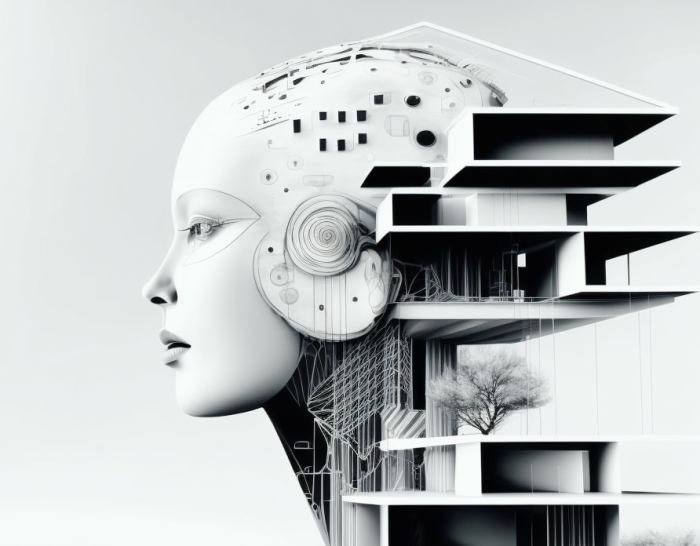
AI adoption in architecture comes with its own set of ethical challenges that need to be acknowledged and addressed. As artificial intelligence becomes more integrated into the design process, architects must consider the implications and ensure that ethical standards are upheld throughout the project lifecycle.
Ethical Challenges
- Privacy concerns: AI technologies often require vast amounts of data to operate effectively, raising questions about the protection of sensitive information.
- Transparency and accountability: The opacity of AI algorithms can lead to biases and discrimination, making it crucial for architects to ensure transparency in their decision-making processes.
- Job displacement: Automation driven by AI could potentially replace certain roles within the architecture industry, posing challenges for the workforce.
Importance of Ethical Frameworks
Ethical frameworks play a crucial role in guiding architects towards responsible and ethical AI-driven design practices. By establishing clear guidelines and principles, architects can navigate the complex ethical landscape associated with AI adoption in architecture.
Examples of Addressing Ethical Concerns
- Implementing diversity and inclusion initiatives to mitigate biases in AI algorithms and promote equitable design solutions.
- Engaging in ongoing education and training to stay informed about ethical considerations and best practices in AI integration.
- Collaborating with ethicists and experts in AI ethics to develop comprehensive strategies for addressing ethical challenges in architectural projects.
Summary
In conclusion, the integration of AI in architecture signifies a shift towards more sustainable, efficient, and ethically conscious practices. As technology continues to advance, the collaboration between human creativity and artificial intelligence holds immense potential for the future of architectural innovation.
FAQ Guide
How is AI impacting traditional design methods in architecture?
AI is revolutionizing traditional design methods by enabling architects to generate complex designs, analyze data, and optimize building performance with greater speed and accuracy.
What are some examples of AI applications in architecture?
AI applications in architecture include generative design tools, energy simulation software, and virtual reality platforms for immersive design experiences.
How is AI contributing to sustainability in architectural projects?
AI is enhancing sustainability by optimizing energy efficiency, analyzing environmental impact, and promoting the use of eco-friendly materials in architectural designs.
What ethical challenges are associated with AI adoption in architecture?
Architects are facing ethical challenges related to data privacy, bias in AI algorithms, and the potential replacement of human creativity with automated design processes.