Embark on a journey to discover the best custom home builders in your area. From reputation to customization options, this guide covers everything you need to know before starting your dream home project.
Researching Custom Home Builders
When looking to hire a custom home builder, it's crucial to do thorough research to ensure you find the right fit for your project. Here are some steps to help you in your search:
List of Top Custom Home Builders
- ABC Custom Homes - Known for their attention to detail and high-quality craftsmanship.
- XYZ Builders - Specializing in modern designs and innovative solutions.
- 123 Dream Builders - With a reputation for excellent customer service and timely project completion.
Reputation and Reviews
Checking online reviews and testimonials can give you insight into the experiences of past clients with each builder.
- ABC Custom Homes has a 5-star rating on multiple platforms, with clients praising their professionalism and communication.
- XYZ Builders has received accolades for their creative designs and ability to stay within budget.
- 123 Dream Builders has a solid reputation for delivering on promises and exceeding expectations.
Verifying Licenses and Credentials
It's essential to ensure that the custom home builder you choose is properly licensed and accredited.
- Check with your state's licensing board to verify the builder's license status and any complaints filed against them.
- Confirm that the builder carries adequate insurance coverage to protect you in case of any accidents or damages during construction.
Importance of Checking References
Speaking with past clients of the custom home builder can give you valuable insight into their work ethic and quality of construction.
- Ask the builder for a list of references and take the time to contact them to ask about their experience working with the builder.
- Visit completed projects if possible to see the quality of work firsthand.
Custom Home Building Process
Building a custom home involves several key steps that are essential to creating a personalized living space tailored to the homeowner's preferences and needs. The process typically includes the following stages:
1. Design and Planning
During this phase, the homeowner works with architects and designers to create a custom floor plan and select design elements such as materials, finishes, and fixtures. This is where the customization options are explored and decisions are made to reflect the homeowner's style and vision.
2. Permits and Approvals
Once the design is finalized, the necessary permits and approvals from local authorities are obtained to ensure compliance with building codes and regulations. This step is crucial to ensure a smooth construction process without any delays.
3. Construction
The actual construction of the custom home begins once all permits are in place. This stage involves site preparation, foundation laying, framing, roofing, plumbing, electrical work, and interior finishes. The homeowner can actively participate in site visits to monitor progress and address any concerns.
4. Inspections and Quality Checks
Throughout the construction process, inspections are conducted to verify that work meets building codes and standards. Quality checks ensure that the custom home is built to the highest standards of craftsmanship and durability.
5. Final Walkthrough and Closing
Once construction is completed, a final walkthrough is conducted to ensure that all aspects of the custom home meet the homeowner's expectations. Any remaining issues are addressed before the home is officially handed over to the homeowner.Customization options can significantly impact the timeline and budget of building a custom home.
The more intricate or unique the features, the longer it may take to design, source materials, and complete construction. Similarly, customizations that require specialized skills or materials can increase costs.Popular custom home features in the area may include smart home technology integration, energy-efficient appliances, sustainable building materials, open floor plans, outdoor living spaces, and luxurious master suites.
These features cater to the preferences and lifestyle of homeowners seeking a truly unique and personalized living environment.
Finding the Right Fit
When it comes to choosing a custom home builder, finding the right fit is crucial to ensuring your dream home becomes a reality. Here are some key factors to consider in the selection process.
Comparing Specialties
- Research different custom home builders to understand their specialties and areas of expertise.
- Consider builders who have experience in building the type of home you envision.
- Look for builders who have a portfolio that aligns with your style preferences.
Visiting Model Homes and Showrooms
Before making a decision, take the time to visit model homes and showrooms of potential builders. This will give you a firsthand look at their craftsmanship and design aesthetic.
Effective Communication Tips
- Clearly communicate your vision, needs, and expectations with the builder from the start.
- Ask questions and seek clarification on any aspects of the building process that you are unsure about.
- Maintain open and honest communication throughout the project to ensure everyone is on the same page.
Aligning with Your Vision
- Discuss your design ideas and preferences with the builder to see if they can bring your vision to life.
- Look for a builder who is receptive to your input and flexible in accommodating your requests.
- Ensure that the builder's past projects and design style resonate with what you have in mind for your custom home.
Budgeting and Financing
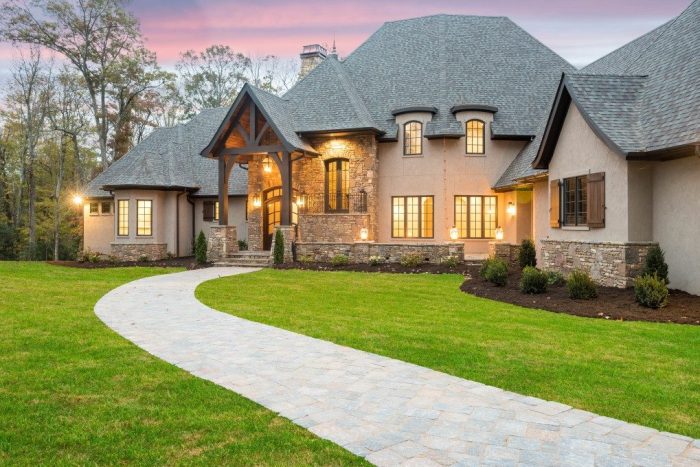
When it comes to building a custom home, budgeting and financing play a crucial role in the success of your project. Understanding the factors that influence costs, exploring different financing options, budgeting effectively, and avoiding unexpected expenses are key components to consider.
Factors Influencing Cost
Several factors can impact the cost of building a custom home:
- Size of the home and layout design
- Location and site preparation
- Quality of materials and finishes
- Customization and special features
- Builder's experience and reputation
Financing Options
There are various financing options available for custom home projects:
- Construction loans
- Traditional mortgages
- Home equity loans or lines of credit
- Personal savings or investments
- Builder financing or package deals
Tips for Effective Budgeting
Here are some tips to help you budget effectively for your custom home build:
- Evaluate your financial situation and set a realistic budget
- Get multiple quotes from different builders and suppliers
- Consider potential upgrades and changes carefully to avoid overspending
- Include a contingency fund for unexpected expenses
- Regularly review and adjust your budget as needed throughout the construction process
Avoiding Unexpected Costs
To avoid unexpected costs during the construction process, it's essential to:
- Have a detailed contract with your builder outlining all costs and specifications
- Stay involved and communicate regularly with your builder to address any issues promptly
- Plan ahead for any potential delays or changes that could impact your budget
- Regularly inspect the construction progress to catch any mistakes or issues early on
Summary
In conclusion, choosing the right custom home builder is crucial for bringing your vision to life. By following the steps Artikeld in this guide, you'll be well-equipped to make informed decisions and create the home of your dreams.
Helpful Answers
How can I verify the licenses and credentials of custom home builders?
You can verify licenses and credentials by checking with the local licensing board or regulatory agency in your area.
What factors can influence the cost of building a custom home?
Factors such as location, size, materials used, and customization level can all impact the cost of building a custom home.
What are some popular custom home features in my area?
Popular custom home features may include smart home technology, energy-efficient appliances, and open floor plans.