Delving into the world of building envelopes, this article aims to shed light on what they are and why they play a vital role in construction projects. Stay tuned as we unravel the components and significance of building envelopes.
Exploring the functions, components, and design considerations will provide a comprehensive understanding of the importance of building envelopes in the construction industry.
Introduction to Building Envelope
![What is Building Envelope? A Simple Definition [+Solutions]](https://design.radarbanten.co.id/wp-content/uploads/2025/11/building-envelope-definition-scaled-1.jpg "What is Building Envelope? A Simple Definition [+Solutions]")
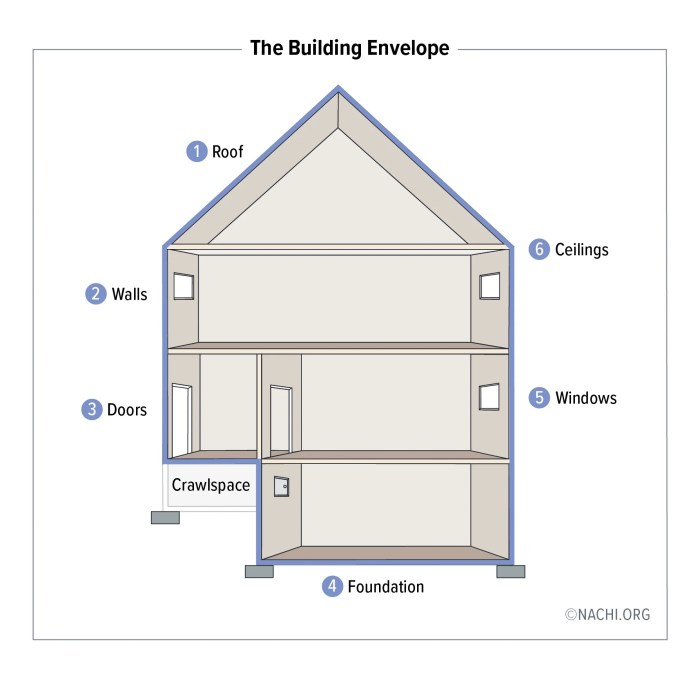
A building envelope is the physical separator between the interior and exterior environments of a building. It plays a crucial role in maintaining the structural integrity and energy efficiency of a structure.
Components of a Building Envelope
- The Roof: The topmost part of the building that protects it from weather elements.
- Exterior Walls: The walls that enclose the building and provide insulation.
- Windows and Doors: Openings in the building envelope that allow for light, ventilation, and access.
Importance of a Building Envelope
The building envelope is essential for ensuring the comfort, safety, and durability of a structure. It helps regulate temperature, moisture levels, and air quality inside the building. A well-designed building envelope can also contribute to energy savings and reduce the environmental impact of a building.
Functions of Building Envelope
Building envelope serves several key functions to ensure the structural integrity, energy efficiency, and overall comfort of a building.
Primary Functions of Building Envelope
- Weatherproofing: The building envelope acts as a barrier against external elements such as rain, wind, and snow, preventing water infiltration and moisture damage.
- Thermal Insulation: It helps regulate indoor temperature by minimizing heat transfer between the interior and exterior, reducing heating and cooling costs.
- Air Barrier: A properly sealed building envelope prevents air leakage, improving indoor air quality and reducing energy consumption.
- Noise Control: It can also reduce noise transmission from the outside, creating a quieter and more comfortable indoor environment.
Role of Building Envelope in Different Structures
- Residential Buildings: In residential structures, the building envelope plays a crucial role in maintaining a comfortable living environment and reducing energy bills for homeowners.
- Commercial Buildings: For commercial properties, a well-designed building envelope can enhance the overall energy efficiency of the building, leading to cost savings and improved occupant comfort.
- Industrial Facilities: In industrial settings, the building envelope is essential for protecting sensitive equipment and materials from harsh environmental conditions while ensuring energy efficiency for large-scale operations.
Improving Energy Efficiency with a Well-Designed Building Envelope
- Proper insulation and air sealing can significantly reduce heating and cooling loads, leading to lower energy consumption and operational costs.
- High-performance windows and doors can enhance natural lighting, reduce the need for artificial lighting, and improve overall energy efficiency.
- Utilizing reflective roofing materials and cool roof technologies can help minimize heat gain, especially in warmer climates, further improving energy efficiency.
Components of a Building Envelope
Building envelopes consist of various components that play crucial roles in ensuring the overall performance and efficiency of a building. These components include insulation, cladding, windows, and more. Proper installation and maintenance of each component are essential to maximize the building envelope's effectiveness.
Insulation
Insulation is a key component of the building envelope that helps regulate the temperature inside the building by minimizing heat transfer. Common insulation materials include fiberglass, foam board, and spray foam. Proper installation of insulation is vital to prevent air leakage and maintain energy efficiency.
Insufficient or poorly installed insulation can result in energy loss and uncomfortable indoor conditions.
Cladding
Cladding serves as the outer layer of the building envelope, protecting the structure from external elements such as rain, wind, and sunlight. It also enhances the building's aesthetic appeal. Common cladding materials include wood, vinyl, metal, and brick. Proper installation of cladding is crucial to prevent water infiltration, which can lead to structural damage and mold growth.
Windows
Windows are essential components of the building envelope that provide natural light, ventilation, and views. Energy-efficient windows help reduce heating and cooling costs by minimizing heat transfer. Common window materials include glass, vinyl, and aluminum. Proper installation of windows is important to ensure a tight seal and prevent air leakage.Each component of the building envelope plays a vital role in maintaining the building's durability, energy efficiency, and indoor comfort.
Proper selection, installation, and maintenance of these components are essential to maximize the overall performance of the building envelope.
Design Considerations for Building Envelope
When designing a building envelope, there are several key factors that need to be taken into consideration to ensure its effectiveness. Factors such as climate, building orientation, and architectural design play a crucial role in determining the overall performance of the building envelope.
Impact of Architectural Design
Architectural design has a significant impact on the effectiveness of the building envelope. The shape, size, and layout of the building can influence factors such as natural light penetration, heat gain or loss, and airflow within the building. By incorporating passive design strategies, such as proper shading, window placement, and insulation, architects can optimize the performance of the building envelope and enhance energy efficiency.
Innovative Building Envelope Designs
There are several examples of innovative building envelope designs that have been developed to improve energy efficiency and sustainability. One such example is the use of double-skin facades, which involve two layers of glass with a ventilated cavity in between.
This design helps to reduce thermal bridging, improve insulation, and enhance natural ventilation within the building. Another innovative design is the use of green roofs, which not only provide additional insulation but also help to reduce stormwater runoff and mitigate heat island effect in urban areas.Overall, by considering factors such as climate, building orientation, and incorporating innovative architectural design strategies, building envelopes can be optimized for better performance, energy efficiency, and sustainability.
Conclusion
In conclusion, the building envelope serves as a crucial element in ensuring energy efficiency, structural integrity, and overall performance of a building. Understanding its intricacies can lead to more sustainable and effective construction practices.
FAQ Section
What are the primary functions of a building envelope?
The primary functions include providing structural support, controlling temperature and moisture levels, and enhancing energy efficiency.
How does building orientation impact the effectiveness of a building envelope?
Building orientation can affect factors like sunlight exposure and wind direction, influencing the overall performance and energy efficiency of the building envelope.
Why is proper installation of building envelope components crucial?
Proper installation ensures that the components work together seamlessly to enhance the building's performance and longevity.