Alexander Brodsky: Russian Architecture That Speaks Volumes sets the stage for this enthralling narrative, offering readers a glimpse into a story that is rich in detail and brimming with originality from the outset.
As we delve deeper into Brodsky's background, key projects, and the significance of his work in the Russian architectural scene, a fascinating journey unfolds.
Introduction to Alexander Brodsky
Alexander Brodsky is a prominent Russian architect known for his innovative and thought-provoking approach to architecture. With a background in architecture and art, Brodsky's work often blurs the lines between the two disciplines, creating unique and captivating structures that challenge traditional architectural norms.
Key Projects
- Brodsky's "Paper Architecture" series gained him recognition for his conceptual and experimental designs that were never meant to be built, but rather existed as artistic expressions of architectural ideas.
- One of Brodsky's notable projects is the "House of Culture" in Moscow, a building that combines elements of traditional Russian architecture with a modern twist, showcasing his ability to merge the past with the present.
- Another significant project is the "Garage Center for Contemporary Culture" in Moscow, which reflects Brodsky's commitment to creating spaces that foster creativity and cultural exchange.
Significance in Russian Architecture
Alexander Brodsky's work has had a profound impact on the Russian architectural scene by pushing boundaries and redefining what is possible in the field. His willingness to challenge conventions and explore new ideas has inspired a generation of architects to think outside the box and approach design in a more unconventional way.
Brodsky's influence can be seen in the growing number of architects who are embracing creativity and innovation in their work, thanks to his groundbreaking contributions to the field.
Architectural Style and Influences
Alexander Brodsky's architectural style is characterized by a unique blend of nostalgia, whimsy, and a deep connection to Russian cultural heritage. His designs often feature elements that evoke a sense of history and tradition, while also incorporating modern materials and techniques.
Brodsky's work is known for its poetic and thought-provoking quality, inviting viewers to reflect on the past and present simultaneously.
Characteristics of Brodsky's Architectural Style
- Integration of historical elements with contemporary design
- Use of unconventional materials and textures
- Emphasis on storytelling and emotional resonance
- Exploration of themes related to memory and identity
- Attention to detail and craftsmanship
Influences on Brodsky's Design Philosophy
- Russian folklore and mythology
- Soviet-era architecture and urban planning
- Literature and poetry
- Personal experiences and memories
- The work of other artists and architects, both Russian and international
Comparison to Other Contemporary Russian Architects
- Oleg Klodt: Known for his luxurious and opulent interiors, blending modern design with classical elements
- Dmitry Likin: Focuses on sustainable architecture and innovative use of technology in design
- Elena Khazina: Specializes in minimalist and functional architecture, with a focus on spatial efficiency
- Yuri Avvakumov: Experimental architect who challenges traditional notions of space and form
Use of Materials and Form
Alexander Brodsky's architectural style is deeply rooted in his unique use of materials and forms, which play a significant role in shaping the narrative of his designs.
Materials Commonly Used
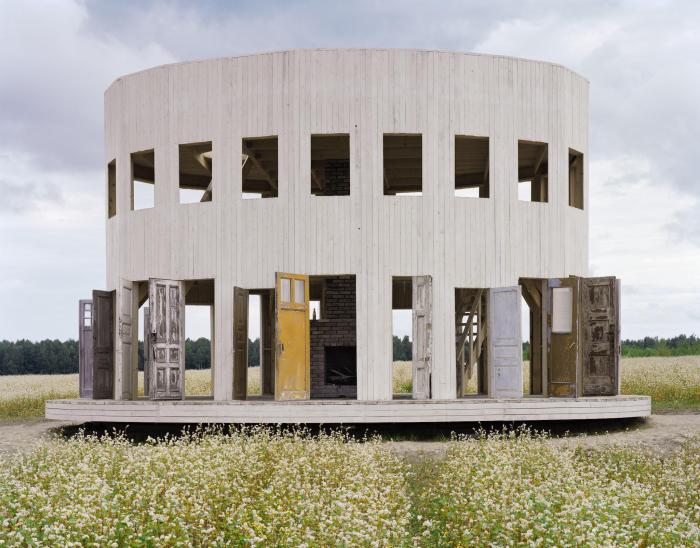
Alexander Brodsky is known for utilizing unconventional materials in his projects, such as reclaimed wood, scrap metal, and salvaged materials from abandoned buildings. These materials not only add a sense of history and authenticity to his designs but also create a contrast with more traditional architectural elements.
Contribution to Narrative
Brodsky's choice of materials tells a story of decay, transformation, and rebirth
Unique Forms and Structures
In addition to his distinctive use of materials, Alexander Brodsky is known for incorporating unique forms and structures into his designs. From whimsical installations to thought-provoking sculptures, Brodsky's work challenges traditional notions of architecture and pushes the boundaries of what is possible in the built environment.
Cultural and Historical Context

Alexander Brodsky's work is deeply intertwined with Russian culture and history, reflecting a unique blend of tradition, nostalgia, and innovation. His architectural creations serve as a visual narrative of Russia's rich cultural heritage, while also offering a contemporary perspective on the country's evolving identity.
Symbolism in Architecture
In Brodsky's designs, one can often find subtle references to Russian folklore, literature, and art. His use of symbolic elements, such as traditional motifs or historical architectural styles, pays homage to the country's past and helps viewers connect with their cultural roots on a deeper level.
- Brodsky's reinterpretation of classic Russian architectural forms, such as onion domes or wooden cottages, serves as a visual reminder of the country's architectural legacy.
- The incorporation of elements like Cyrillic lettering or Soviet-era imagery in his projects adds layers of meaning, inviting viewers to explore the cultural and historical contexts embedded in his work.
Nostalgia and Emotional Impact
Nostalgia plays a significant role in Brodsky's designs, evoking a sense of longing for the past and creating an emotional connection with the audience. His architectural interventions often trigger memories of bygone eras, prompting viewers to reflect on their own personal histories and cultural experiences.
- By reimagining historical themes in a contemporary context, Brodsky's work sparks conversations about the relationship between tradition and modernity, inviting viewers to reconsider their perspectives on cultural heritage.
- The nostalgic elements in his architecture not only serve as aesthetic embellishments but also as powerful storytelling devices, weaving together threads of the past, present, and future in a visually compelling way.
Wrap-Up
In conclusion, Alexander Brodsky's architectural legacy is a tapestry of cultural influences, unique forms, and a deep connection to Russian history. His work continues to captivate and inspire, speaking volumes through its innovative designs and thoughtful narratives.
FAQ Explained
What materials does Alexander Brodsky commonly use in his projects?
Alexander Brodsky often incorporates unconventional materials like reclaimed wood, metal scraps, and discarded objects in his architectural creations, adding a layer of depth and storytelling to his designs.
How does nostalgia play a role in Alexander Brodsky's architectural designs?
Nostalgia is a central theme in Brodsky's work, evoking a sense of longing and memory through his architectural forms and structures, creating a profound emotional connection with viewers.