Delving into the realm of training staff on fleet maintenance protocols, this piece invites readers with a wealth of knowledge, promising an informative and unique reading experience.
The subsequent paragraph will provide detailed and insightful information on the topic.
Importance of Fleet Maintenance Training
Training staff on fleet maintenance protocols is crucial for ensuring the longevity and efficiency of fleet vehicles. Without proper training, staff may overlook essential maintenance tasks, leading to costly repairs and vehicle downtime. By investing in comprehensive training programs, companies can benefit in various ways:
Enhanced Vehicle Performance
- Well-trained staff can identify issues early on and address them promptly, preventing major breakdowns and ensuring optimal vehicle performance.
- Regular maintenance checks conducted by trained personnel can help in detecting potential problems before they escalate, saving time and money in the long run.
Increased Safety
- Properly trained staff can ensure that fleet vehicles are in good working condition, reducing the risk of accidents due to mechanical failures.
- Regular maintenance and inspections carried out by trained technicians can contribute to a safer driving environment for both employees and the public.
Cost Savings
- Effective fleet maintenance training can lead to cost savings by minimizing unexpected repairs and breakdowns, as well as extending the lifespan of fleet vehicles.
- Well-maintained vehicles are more fuel-efficient, resulting in lower operating costs for the company.
Real-life Example
ABC Company implemented a comprehensive fleet maintenance training program for its staff, resulting in a 20% reduction in vehicle downtime and a 15% decrease in maintenance costs within the first year.
Developing Training Materials
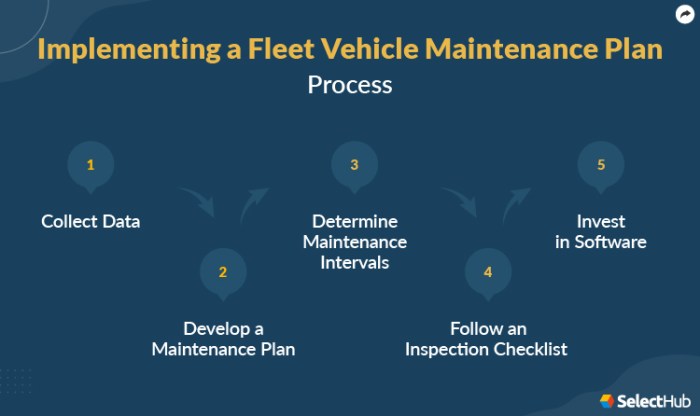
To ensure effective training on fleet maintenance protocols, it is essential to develop comprehensive training materials that cover all necessary topics and use various training methods to cater to different learning styles.
Designing a Comprehensive Training Manual
Creating a detailed training manual is crucial for providing employees with the information they need to understand and follow fleet maintenance protocols. The manual should include step-by-step instructions, visuals, diagrams, and explanations to make the information clear and easy to follow.
- Overview of Fleet Maintenance Protocols
- Importance of Regular Maintenance
- Common Maintenance Procedures
- Emergency Maintenance Protocols
- Safety Guidelines
Essential Topics to Cover in Staff Training Sessions
During training sessions, it is important to cover key topics that will help staff members understand the importance of fleet maintenance protocols and how to implement them effectively.
- Understanding the Company's Fleet Maintenance Policy
- Identifying Common Maintenance Issues
- Proper Maintenance Procedures for Different Vehicles
- Utilizing Maintenance Software and Tools
- Reporting and Documenting Maintenance Activities
Identifying Different Training Methods
To ensure that staff members receive training effectively, it is important to utilize various training methods that cater to different learning styles and preferences.
- Hands-On Training: Providing practical experience with maintenance tasks and tools.
- Virtual Training: Using online platforms and simulations to teach maintenance protocols remotely.
- Classroom Training: Conducting in-person sessions with interactive presentations and discussions.
- On-the-Job Training: Pairing new employees with experienced staff members for hands-on learning in real-time.
Hands-On Training Exercises
Hands-on training exercises play a crucial role in helping staff understand fleet maintenance procedures practically. By engaging in a series of practical activities, employees can enhance their skills and knowledge in maintaining fleet vehicles effectively.
Simulations for Maintenance Training
Simulations are an excellent tool for training staff on handling maintenance issues. By creating realistic scenarios that mimic actual maintenance situations, employees can learn how to troubleshoot problems, perform repairs, and conduct routine maintenance tasks in a controlled environment. This hands-on experience helps them develop confidence and proficiency in dealing with various maintenance challenges
Importance of Practical Experience
Providing practical experience is essential in addition to theoretical knowledge when training staff on fleet maintenance protocols. While theoretical understanding is important, practical application allows employees to put their knowledge into action and refine their skills through real-life scenarios. This hands-on approach ensures that staff members are well-prepared to handle maintenance tasks efficiently and effectively when working on fleet vehicles.
Assessing Staff Competency
Assessing staff competency in fleet maintenance protocols is crucial to ensure that they are performing their tasks effectively and efficiently. Regular assessments help identify any gaps in knowledge or skills that need to be addressed, ultimately leading to better maintenance practices and overall fleet performance.
Developing a Competency Evaluation System
- Establish clear criteria: Define specific standards and expectations for staff to meet in terms of fleet maintenance protocols.
- Utilize varied assessment methods: Use a combination of written tests, practical demonstrations, and on-the-job observations to evaluate staff performance.
- Provide feedback: Offer constructive feedback to staff after each assessment to highlight areas of improvement and acknowledge areas of strength.
Significance of Regular Assessments
- Ensuring compliance: Regular assessments help ensure that staff are following maintenance procedures correctly and adhering to safety protocols.
- Identifying training needs: Assessments highlight areas where staff may require additional training or support to enhance their skills and knowledge.
- Improving overall performance: By continuously evaluating staff competency, you can drive continuous improvement in fleet maintenance practices.
Providing Constructive Feedback
- Focus on specifics: Provide specific feedback on areas where improvement is needed rather than general statements.
- Encourage growth: Offer encouragement and support to staff to motivate them to improve their performance.
- Set clear goals: Work with staff to establish clear goals for improvement based on assessment results.
Continuous Training and Updates
Continuous training is crucial in keeping staff updated on the latest fleet maintenance practices. As technology and best practices evolve, it is essential for employees to stay current to ensure optimal fleet performance and safety. Incorporating continuous learning into the training program not only enhances staff skills but also boosts overall operational efficiency.
Regular Workshops and Seminars
- Organize regular workshops and seminars on new maintenance techniques, tools, and technologies in the fleet industry.
- Invite industry experts to conduct training sessions and share insights on emerging trends.
- Encourage staff to participate in relevant conferences and exhibitions to stay abreast of the latest developments.
Online Training Modules
- Develop online training modules that employees can access at their convenience to learn about new maintenance protocols.
- Include interactive elements such as quizzes and case studies to ensure engagement and retention of information.
- Regularly update the online modules to reflect changes in the industry and best practices.
Feedback Mechanisms
- Seek feedback from staff after training sessions to identify areas for improvement and topics for future training.
- Encourage employees to share their experiences and suggestions for enhancing the training program.
- Use feedback to adapt and refine training sessions to better meet the needs of staff and the organization.
Closing Summary
Concluding this discussion on training staff for fleet maintenance protocols, the summary encapsulates key points in an engaging manner, leaving readers with lasting thoughts.
Quick FAQs
How often should staff training on fleet maintenance protocols be conducted?
Training sessions should be conducted regularly, ideally quarterly, to ensure staff are up to date with the latest practices.
What are the benefits of incorporating hands-on training exercises in fleet maintenance training?
Hands-on exercises help staff understand procedures practically, leading to better retention and application of knowledge in real-world scenarios.
How can staff competency in fleet maintenance protocols be effectively assessed?
Develop a clear evaluation system that includes practical assessments and regular feedback sessions to gauge staff competency accurately.