Delving into the world of architecture, the intriguing blend of tradition and innovation in Alexander Brodsky's works captivates the imagination. This exploration promises a journey through his unique design philosophy, where the past meets the future in a harmonious display of creativity and vision.
In the following paragraphs, we will uncover the essence of Brodsky's style, from his traditional influences to his groundbreaking approaches, offering a comprehensive look at his impactful contribution to the architectural landscape.
Alexander Brodsky's Background
Alexander Brodsky is a renowned Russian architect known for his unique approach to blending tradition with innovation in his architectural designs. Born in 1955 in Moscow, Brodsky studied architecture at the Moscow Architectural Institute and quickly made a name for himself in the field.Brodsky's early works were heavily influenced by traditional Russian architectural styles, particularly the rustic and simplistic designs of wooden structures found in rural areas.
This influence can be seen in his use of natural materials, handcrafted details, and a deep respect for the historical context of the sites he works on.
Key Milestones in Brodsky's Career
- Collaboration with Ilya Utkin: Brodsky gained recognition for his collaboration with artist Ilya Utkin, creating fantastical architectural etchings that combined elements of whimsy with a deep understanding of architectural history.
- Exhibition at the Venice Biennale: Brodsky's participation in the Venice Biennale in 1996 brought international attention to his work, showcasing his ability to create thought-provoking installations that challenged conventional notions of architecture.
- Founding of the Paper Architects group: Brodsky was a key figure in the Paper Architects group in the 1980s, a collective of architects who used paper as a medium for exploring radical and experimental architectural ideas, pushing the boundaries of the field.
- Transition to physical architecture: Over time, Brodsky transitioned from theoretical works to physical architectural projects, where he continued to incorporate traditional elements while experimenting with innovative construction techniques and materials.
Traditional Architectural Elements in Brodsky's Work
Alexander Brodsky's work is known for blending traditional architectural elements with innovative design concepts, creating a unique fusion of past and present in his projects.
Incorporation of Traditional Architectural Elements
Brodsky often incorporates elements such as arches, columns, and intricate detailing reminiscent of classical architecture in his designs. These traditional features add a sense of timelessness and cultural richness to his work.
Reinterpretation of Traditional Motifs
Instead of simply replicating traditional architectural motifs, Brodsky reinterprets them in a modern context. For example, he might use a traditional archway as a structural element in a contemporary building, creating a dialogue between the old and the new.
Comparison with Contemporary Architecture
- While traditional elements are present in Brodsky's work, they are often juxtaposed with sleek, minimalist forms typical of contemporary architecture.
- Unlike some contemporary architects who completely disregard tradition, Brodsky's approach demonstrates a reverence for the past while embracing the future.
- His innovative use of traditional elements challenges the notion that modernity and tradition are mutually exclusive, showing that they can coexist harmoniously in architectural design.
Innovative Approaches in Brodsky's Designs
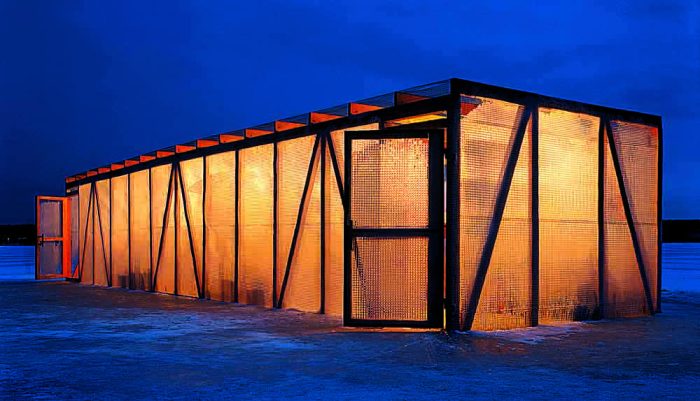
Alexander Brodsky is known for his unique and unconventional design techniques that set him apart from other architects. His approach blends traditional concepts with innovative ideas, resulting in architectural creations that challenge the norms of the field.
Integration of Modern Materials and Technologies
One of the key aspects of Brodsky's work is his seamless integration of modern materials and technologies with traditional architectural elements. By combining these elements, he creates structures that are not only visually striking but also highly functional and sustainable.
Experimental Aspects of Brodsky's Work
Brodsky's work is characterized by its experimental nature, pushing the boundaries of architecture and exploring new possibilities. His projects often involve unconventional materials, forms, and spatial arrangements, challenging conventional notions of what buildings can be.
Impact of Brodsky's Blending of Tradition and Innovation
Alexander Brodsky's blending of tradition with innovation has had a significant impact on the architectural community, sparking discussions and redefining the boundaries of contemporary design.
Influence on Architectural Community
Brodsy's unique design philosophy has influenced architects and designers worldwide, inspiring them to explore new ways of integrating traditional elements with modern concepts. His work serves as a catalyst for creative thinking and encourages experimentation in architectural practices.
Reception by Critics and Public
Brodsy's projects have garnered praise from critics for their ability to evoke nostalgia while pushing the boundaries of architectural norms. The general public has also shown admiration for his innovative approach, appreciating the blend of history and futuristic vision in his designs.
Broader Implications
- Brodsy's approach challenges the notion of architectural dichotomies, showing that tradition and innovation can coexist harmoniously in a single design.
- By blending tradition with innovation, Brodsy encourages a dialogue between the past and the future, creating a sense of continuity and evolution in architectural discourse.
- His work serves as a reminder of the importance of preserving cultural heritage while embracing progress and technological advancements in the field of architecture.
Closure
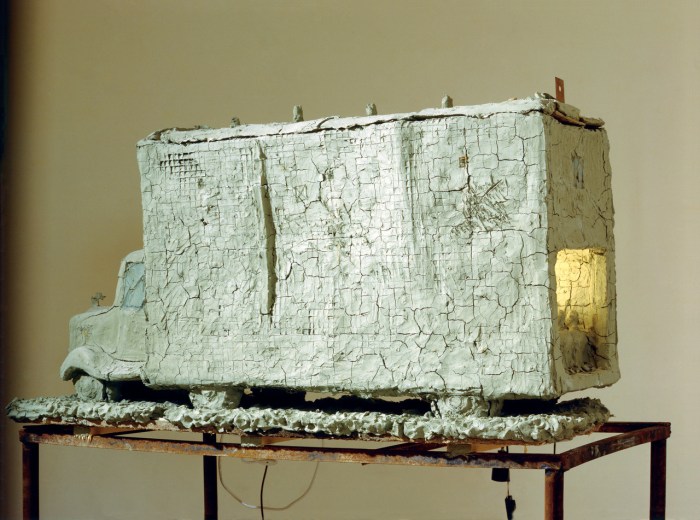
As we conclude our discussion on how Alexander Brodsky seamlessly combines tradition with innovation, we are left with a profound appreciation for his transformative impact on the world of architecture. His ability to bridge the gap between the old and the new opens up endless possibilities for future design endeavors, inspiring generations to come.
Popular Questions
How does Alexander Brodsky incorporate traditional elements in his designs?
Alexander Brodsky integrates traditional elements by reinterpreting architectural motifs in innovative ways, creating a seamless blend of old and new.
What sets Alexander Brodsky apart from other architects in terms of design techniques?
Brodsky stands out with his unconventional design techniques that push the boundaries of traditional architecture, making his work truly distinctive.
How has the architectural community responded to Alexander Brodsky's unique design philosophy?
The architectural community has embraced Brodsky's approach, recognizing it as a fresh perspective that enriches the field with creativity and innovation.